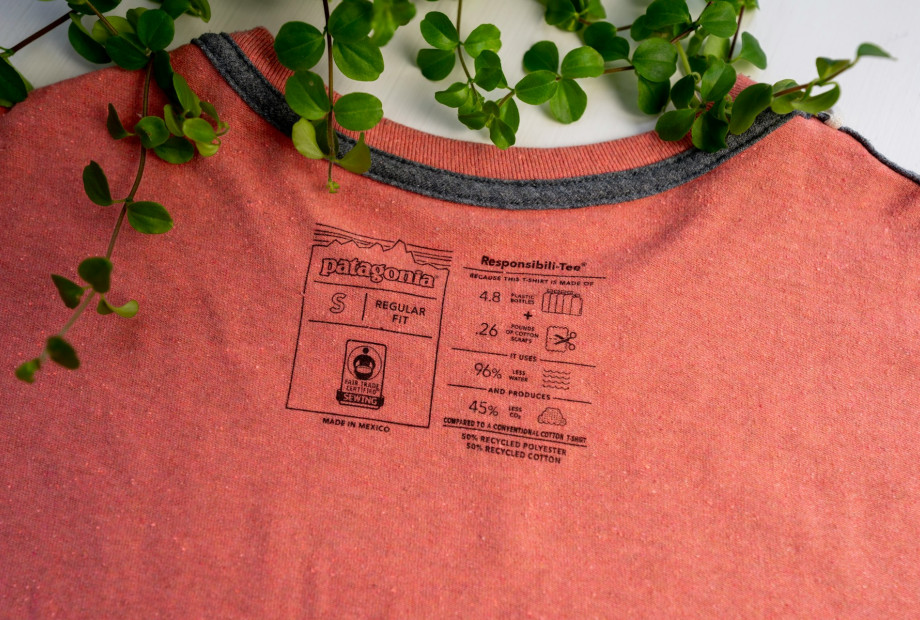
Sustainability is no longer an option – it is a precondition for building trust and ensuring your fashion brand stands out in the market. However, consumers are not assured by broad, sweeping statements. Consumers are looking for concrete proof. Certifications constitute a tool that demonstrates that your brand isn’t simply making promises but is genuinely implementing sustainable practices. Sustainability certifications will strengthen the reputation of your brand and form the basic communication tool with eco-conscious consumers.
In this article, we will present the most important certifications in the fashion sector and explain how to take full advantage of them in order to boost your profile and drive sales
1. Why invest in certification?
✔️ Boosts consumer and partner trust
✔️ Differentiates the brand from the competition
✔️ Offers access to new markets and B2B partnerships
✔️ Reduces the risk of greenwashing
Tip: Use certifications as part of your storytelling and packaging
2. Top fashion certifications
🌿 GOTS (Global Organic Textile Standard)
What it certifies: Organic fabric sourcing and socially responsible production
Ideal for: Cotton & linen products
Value: Highly recognisable to consumers
♻️ GRS (Global Recycled Standard)
What it certifies: Recyclable material content and environmentally responsible production
Ideal for: Recycled polyester, nylon etc.
🧵 OEKO-TEX® Standard 100
What it certifies: The safety of fabrics for human use – free from harmful substances
Ideal for: Underwear, childrenswear and activewear
🌍 Fair Trade Certified
What it certifies: Fair pay, safe working conditions
Ideal for: Small producers and brands with a social mission
🪡 PETA-Approved Vegan
What it certifies: No use of animal products in clothes, shoes and accessories
Ideal for: Vegan fashion brands focusing on a specific target group
3. Choosing the right certification
Choice criteria:
🔍 Product type (e.g. organic, recyclable, vegan)
📍 Target markets (some require specific certifications)
💸 Cost and inspection process
📈 Marketing value & recognition
Tip: Start with one or two certifications which genuinely reflect your philosophy and have value for your audience.
4. Certifications in marketing
📦 Include certifications on labels and packaging
🌐 Create a dedicated page for “Sustainability & Certifications” on your website
📣 Share behind-the-scenes moments of the certification process
📝 Include certification logos on campaigns and newsletters
Example: Our T-shirts are GOTS certified and made from 100% organic cotton that is free from harmful substances.
Certification isn’t merely a symbol. It is proof of responsibility, transparency and a commitment to the environment and society. Choose the appropriate certifications for your brand and include them wisely in your communications – not only will you generate interest but you will also gain the trust of your audience.
Authenticity + Certification = Genuine sustainability